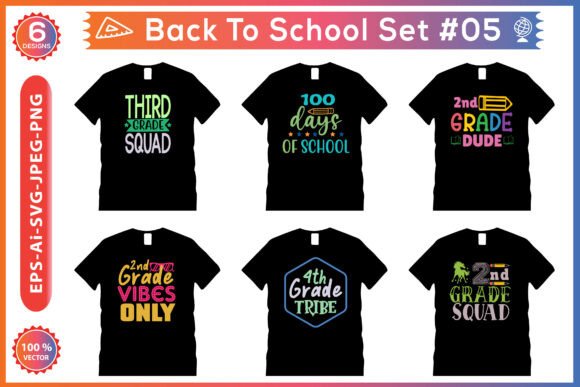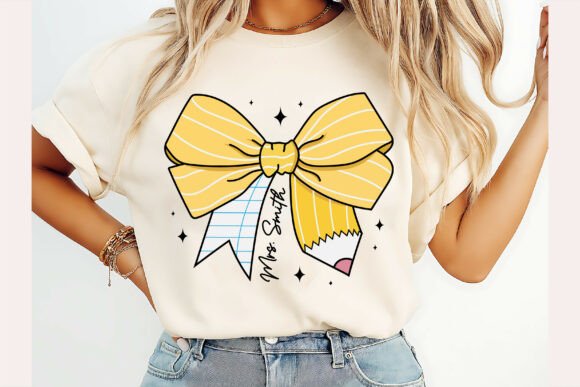
Back to School Retro PNG Coquette: Graphics for T-Shirt Designs
Hello and Welcome to my Design Store. This is a Hi-quality unique Design is-store You will receive files A zipped file folder including. You must unzip the file folder once it is downloaded to retrieve.
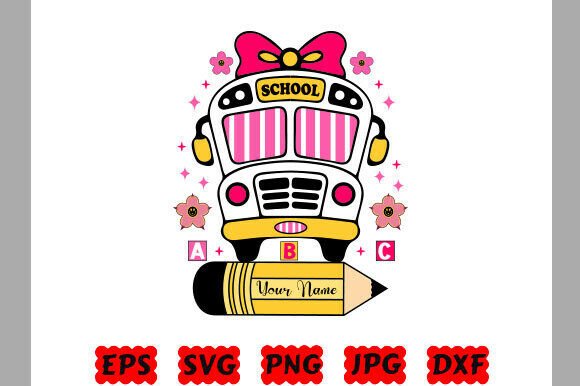
The Back to School Retro PNG Coquette immediately evokes a nostalgic, whimsical vibe that feels both playful and refined. The design elements—soft pastels, vintage typography, and subtle textures—create a visual mood that’s perfect for brands aiming to connect with a younger, fashion-forward audience. It’s a graphic design asset that feels like it belongs in a curated collection of creative design pieces, ideal for small business branding or handmade business projects.
First Impressions: Nostalgia Meets Modern Design
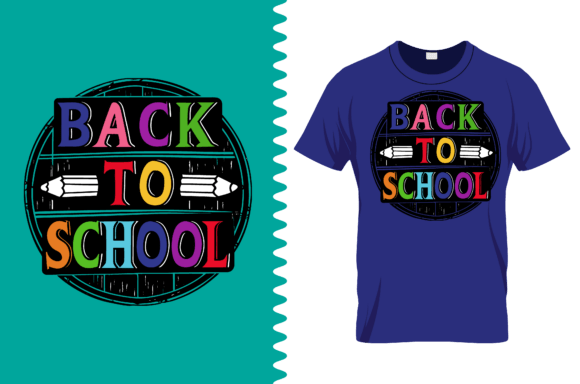
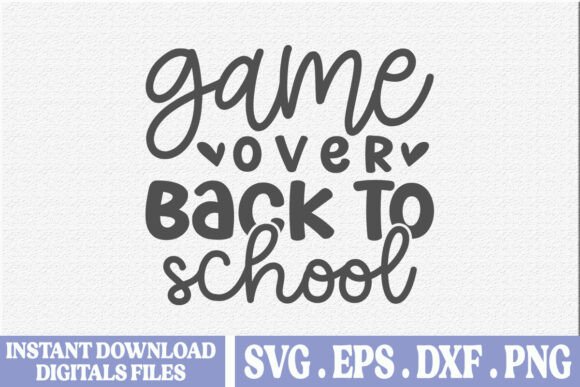
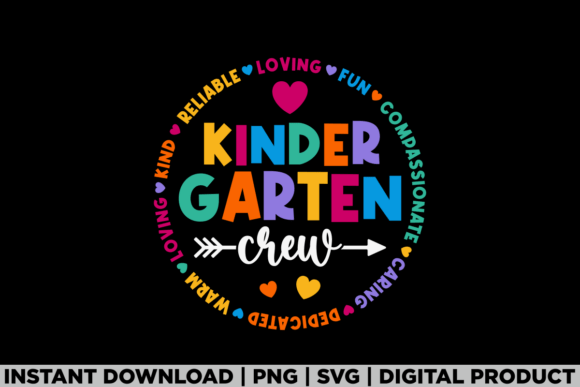
As a designer, the first thing I noticed about Back to School Retro PNG Coquette is its ability to blend retro aesthetics with modern design sensibilities. The color palette is soft yet vibrant, making it versatile for a range of applications—from t-shirt design to social media graphics. The style feels like a mix of clipart and illustration, offering enough detail to stand out without overwhelming the viewer.
This design asset could be a great addition to a design bundle aimed at print-on-demand sellers or Etsy product creators looking for fresh, seasonal visuals. Its retro flair makes it ideal for campaigns around back-to-school themes, but it also has potential beyond that, especially for boutique product lines or local event promotions.
Real-World Use Cases: From T-Shirts to Digital Ads
When considering real design situations, Back to School Retro PNG Coquette shines in several areas. For logo design, it can serve as a strong visual anchor, especially when paired with a clean, readable font. In brand identity projects, it adds a layer of personality that can help differentiate a small business from competitors.
For packaging design, this asset works well as a decorative accent or as part of a themed collection. It could be used on product labels, stickers, or even as a background element in product mockups. In editorial design, it offers a charming visual element that can complement text content, especially in blog visuals or magazine spreads.
On the digital side, Back to School Retro PNG Coquette is suitable for web design, Canva templates, and social media graphics. It could be used as a hero graphic on a website or as a Pinterest pin to attract attention. For Cricut users, it might be a fun addition to printable wall art or sticker design projects.
Best Fit: Large Layouts and Themed Campaigns
This design asset performs best in large layout areas where its details can be fully appreciated. It’s ideal for campaign visuals, packaging details, or as part of a themed collection. When used in product mockups, it adds a sense of authenticity and polish that can elevate the final look of a design project.
It also works well as a supporting brand element, especially when paired with other design assets that share a similar aesthetic. For instance, if a client is launching a line of retro-themed merchandise, this PNG design could serve as a consistent visual thread across t-shirts, mugs, and tote bags.
Caution: Avoid in Minimalist or Corporate Projects
While Back to School Retro PNG Coquette has a lot to offer, it’s not suited for every project. In minimalist branding or professional corporate materials, its ornate details might clash with the desired clean visual hierarchy. Similarly, using it in crowded layouts or on complex backgrounds could make the design feel cluttered and less effective.
Low-contrast designs or projects that require very clean visual elements may not benefit from this asset. It’s important to consider the context and ensure that the design aligns with the overall tone and purpose of the project.
Design Considerations: What Every Designer Should Check
Before using Back to School Retro PNG Coquette for a client project, there are several practical checks to perform. Test it in black and white to see how it holds up without color. Check contrast on light and dark backgrounds to ensure visibility. Preview it at small and large sizes to confirm scalability.
Place it on real mockups to see how it interacts with different surfaces and materials. Test print quality to ensure that the design translates well to physical products. Review file formats, inspect PNG transparency if included, and check SVG or vector editability when relevant.
Compare it with different font styles—serif, sans serif, script, handwritten, and display fonts—to find the best match for your project. Most importantly, confirm commercial licensing before using it for a client or business project to avoid any legal issues.
Why It Matters: Brand Consistency and Emotional Appeal
Using Back to School Retro PNG Coquette can significantly impact the readability, hierarchy, and emotional appeal of a design project. When used effectively, it helps build visual trust and recognition, which are essential for brand consistency. It can engage audiences by evoking nostalgia and creating a connection that resonates with the target demographic.
For small business branding, this asset can add a touch of professionalism and creativity that sets a brand apart. It supports marketing visuals, packaging design, and digital ads by reinforcing the brand’s identity and message. Whether it’s for a handmade business or an online product launch, this design asset can contribute to a more polished and cohesive final result.
Final Thoughts: A Useful Addition to Any Designer’s Toolkit
In conclusion, Back to School Retro PNG Coquette is a versatile graphic design asset that can enhance a wide range of projects. Its retro charm and modern execution make it suitable for t-shirt design, social media graphics, and printable designs. With proper consideration and testing, it can become a valuable part of a designer’s creative marketplace offerings.
Whether you’re working on a seasonal campaign, a boutique product line, or a digital ad, this design asset has the potential to elevate your work and support your clients’ goals. As long as it’s used thoughtfully and in the right context, it can make a meaningful contribution to any design project.